

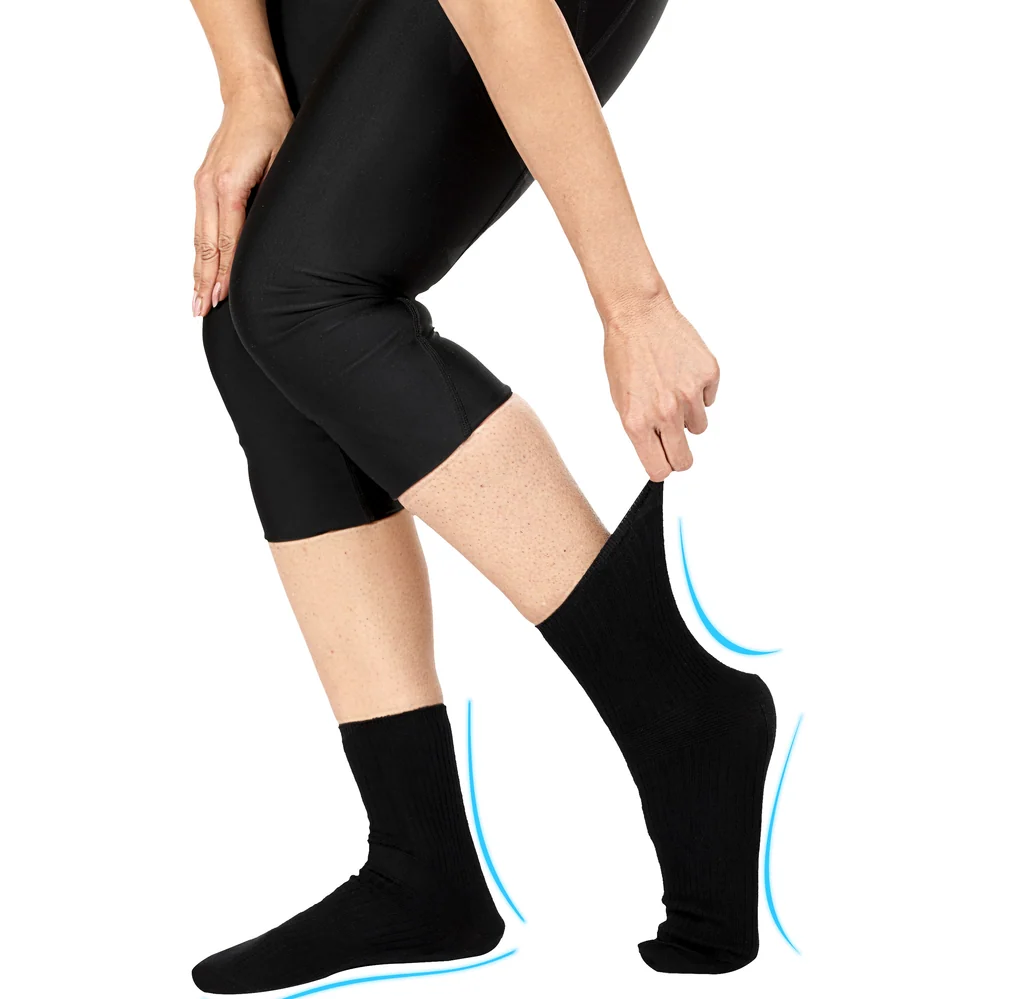

For most people, a sock is a background item. For someone living with diabetes, it can be a daily line of defense. Reduced sensation in the feet means a small blister can go unnoticed and turn into a serious wound. That is why diabetic socks exist, and why the products on store shelves are held to a higher standard than ordinary hosiery. If you run a pharmacy chain, an online health shop, or a private label care brand, understanding what separates a genuinely supportive pair from a lookalike is essential. The details are small, but they matter enormously to the people who wear them.
The Features That Define a Good Pair
The name suggests one product, yet the category is really a set of design principles. Each addresses a specific risk.
Start with seams. Traditional socks have a thick toe seam that can rub against sensitive skin. Quality pairs use flat or seamless toe closures to reduce friction. Next comes the cuff. Tight elastic restricts circulation, so non-binding tops are standard, with a gentle stretch that holds the sock in place without leaving marks.
Moisture control is the third pillar. Damp feet invite fungal infections, so fibers that wick sweat away from the skin are valuable. Bamboo viscose, treated cotton, and certain synthetic blends all do this well. Some manufacturers add silver or copper-infused yarn for odor and microbe control, though buyers should ask for test data rather than rely on marketing claims.
Cushioning, finally, protects pressure points. A soft, padded sole absorbs impact, especially for people who spend long hours standing.
How to Evaluate a Manufacturer Before You Order
Sourcing health related apparel is not like ordering fashion basics. Quality control has to be tighter, and documentation matters.
Ask for fabric composition reports and, where relevant, third party lab results for antibacterial performance and colorfastness. Request several samples and have real wearers try them, ideally people who match your target customer. Pay attention to how the sock feels after a full day, not just in the first five minutes.
Also confirm how the factory handles consistency. A sample can be perfect while bulk production drifts. Reliable partners run inspections at several stages, from yarn intake to final packing, and are willing to share their process openly.
Packaging deserves attention too. Clear labeling of materials, sizing, and care instructions builds trust with cautious buyers. A one-stop supplier that handles knitting and retail-ready boxes together can keep your product line consistent and reduce shipping delays.
A Closer Look at What Customers Notice
Consider the experience of a woman buying socks for her father. She is not comparing yarn counts. She is looking for words like soft, loose, and breathable, and she wants to feel confident the product will not cause harm. Retailers who explain features in plain language, without medical jargon, tend to win that trust.
One boutique pharmacy owner shared that returns dropped noticeably after she added a simple sizing chart and a short note on how the cuff is designed. Customers were choosing the right fit and understanding why the sock felt different from what they were used to.
It is also worth remembering that comfort should not mean dull. People with diabetes still want socks that look good. Offering neutral, dark, and light options keeps the product appealing for everyday wear.
Where the Market Is Heading
Aging populations and rising awareness of foot health are expanding demand worldwide. Brands that once treated this category as a niche are now giving it dedicated shelf space. Expect to see smarter fabrics, including yarns that adjust to temperature, and more attention to sustainability.
Private label will likely grow as well. Retailers want their own trusted line, built to their specifications. For that, working with a manufacturer that offers flexible minimums, design support, and branded packaging gives a real advantage. You can learn more about one such partner at Kaite Socks.
Conclusion
Choosing diabetic socks is a matter of care as much as commerce. Seamless toes, gentle cuffs, moisture control, and thoughtful cushioning are not optional extras. Verify claims with documentation, test samples with real wearers, and communicate benefits clearly. Do that, and you build something more valuable than a product line: a reputation people rely on.
FAQ
Are these socks only for people with diabetes? No. Anyone with sensitive feet, poor circulation, or swelling may find the loose, seamless design more comfortable.
Which materials work best? Combed cotton, bamboo blends, and moisture wicking synthetics are common. The best choice depends on climate and wearer needs.
Can a factory produce a private label version? Yes. Many manufacturers offer custom sizing, branded labels, and retail packaging for private label programs.
